
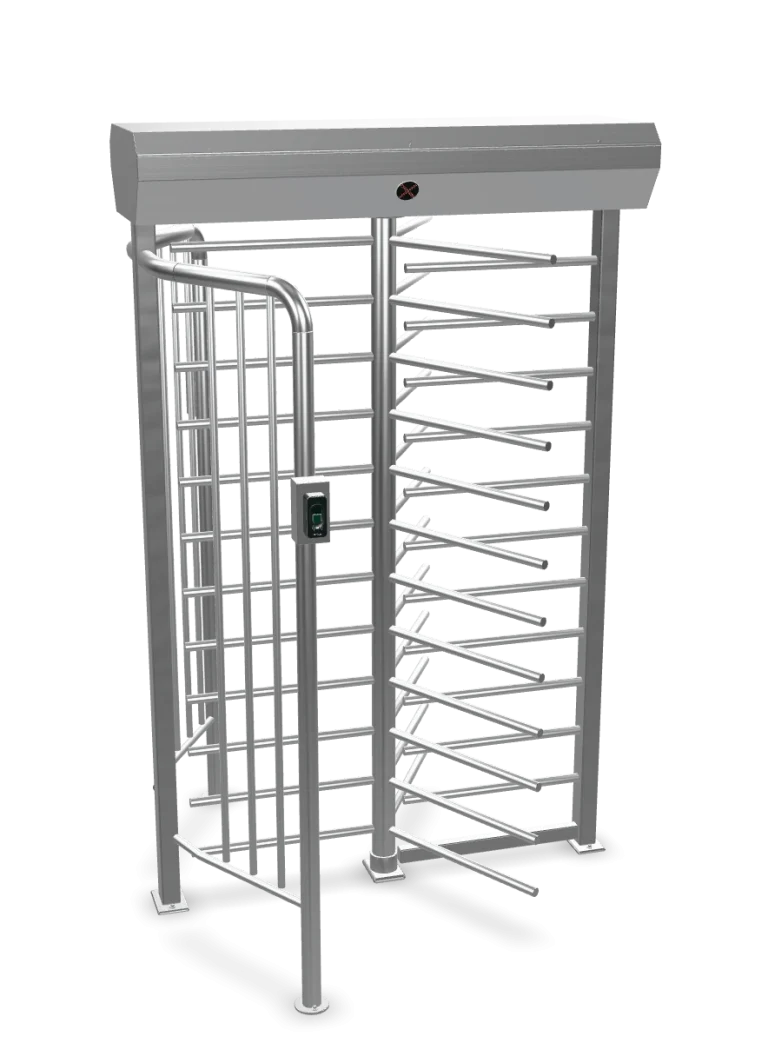
Full-height
A rotating barrier for perimeter and restricted site entry.
Browse full-height View FHT2300Control pedestrian entry at your workplace, gym or site. Choose the right kind of gate for the people who use it.
Compare the main types below, or tell us about your entrance. We’ll help you work through the options.
Official ZKTeco Partner for New Zealand
A gate is one part of the entrance.
We help match the barrier, readers and access system to your site.
Start with the physical barrier you need. Each range has its own lane layouts, reader options and environmental limits.
View the full turnstile catalogueA rotating barrier for perimeter and restricted site entry.
Browse full-height View FHT2300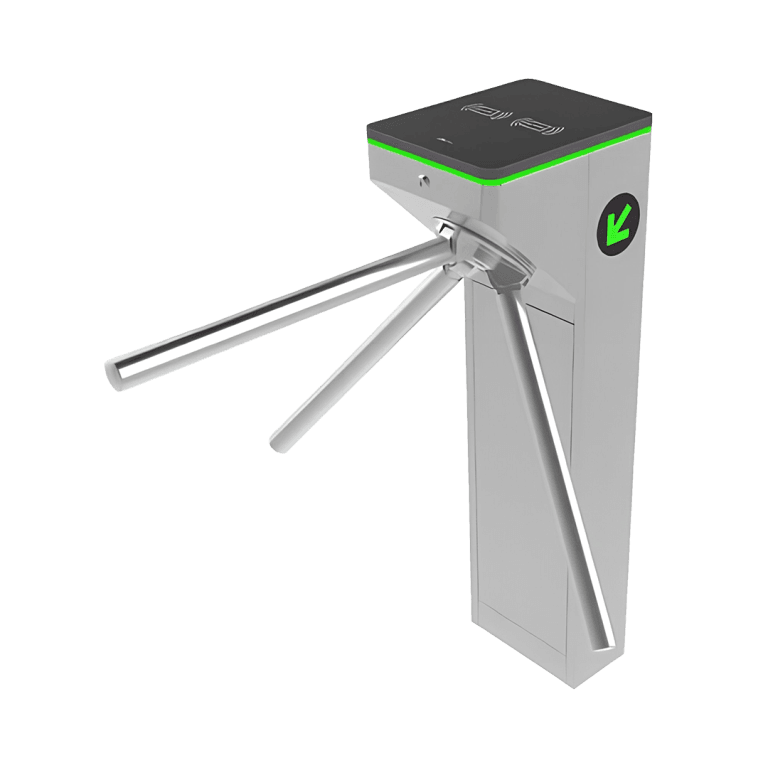
Waist-height arms for everyday controlled entry.
Browse tripod View mTS1000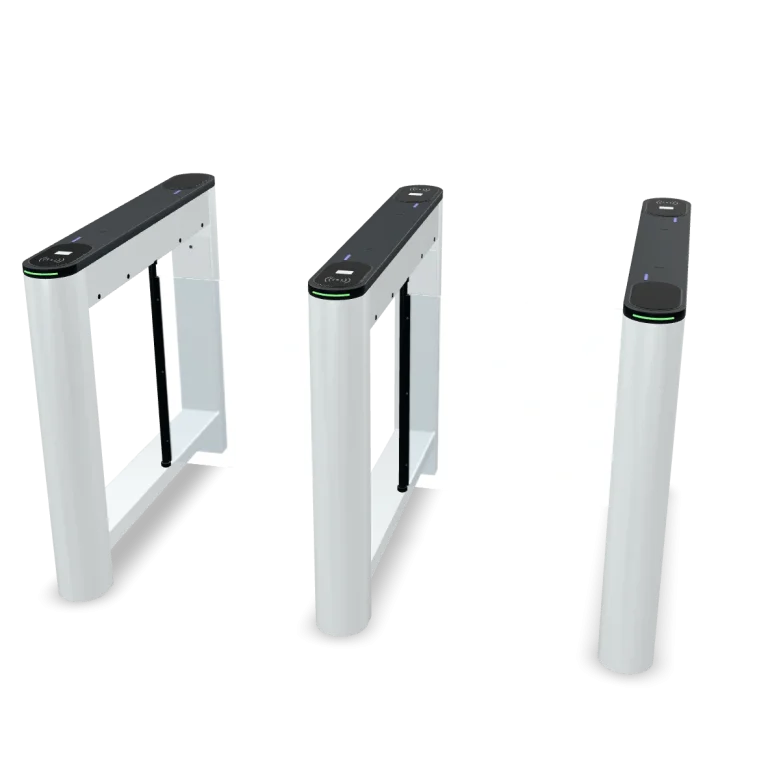
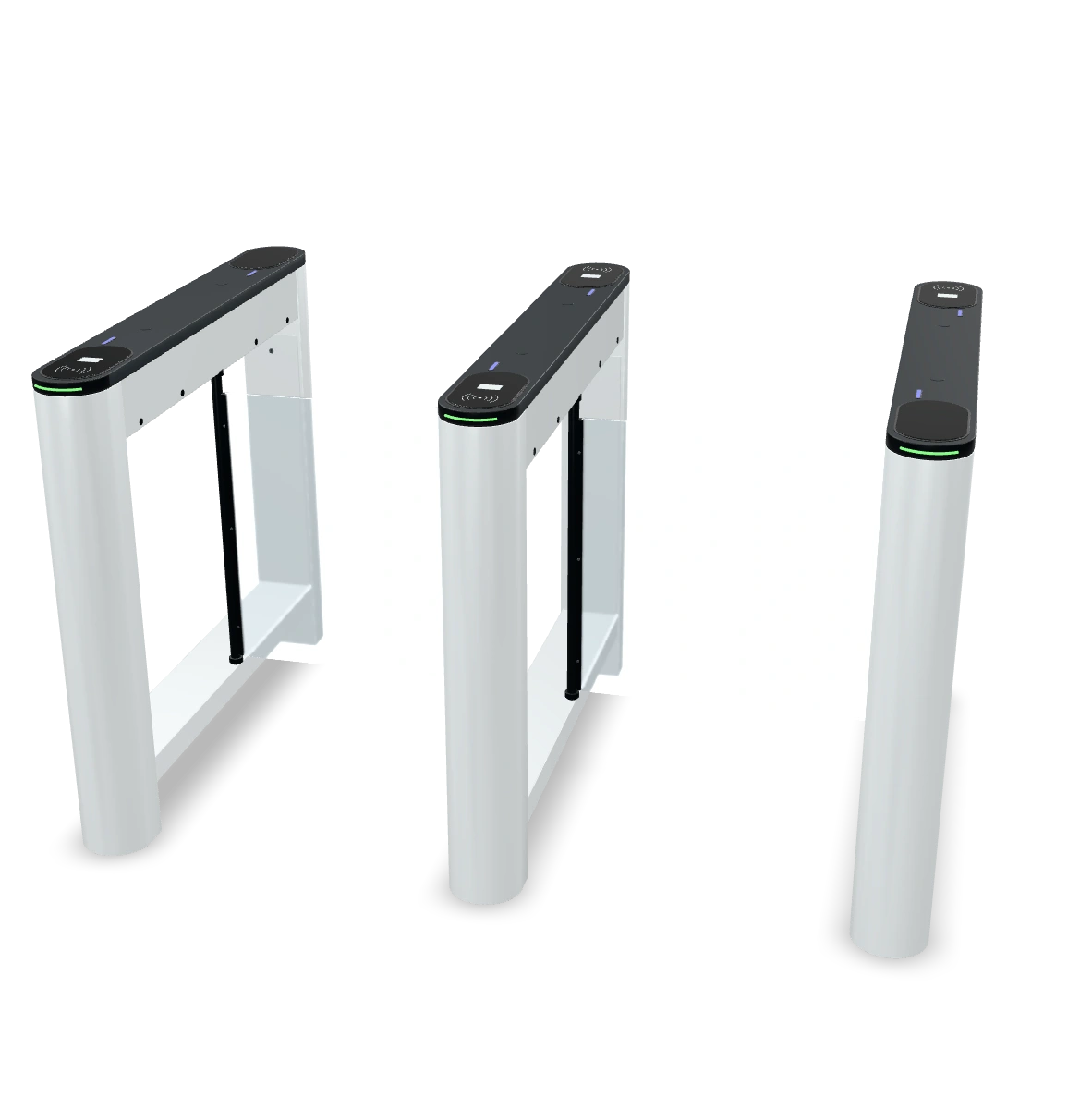
Opening panels for lobbies and managed pedestrian lanes.
Browse swing View Saturn Series
Retracting panels for defined pedestrian lanes.
Browse flap View Mars Pro-F1000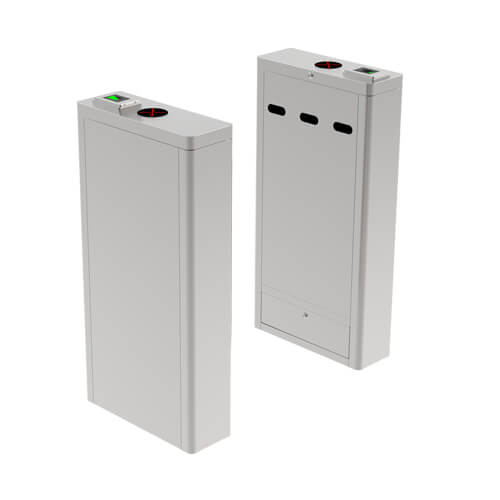
An open lane that monitors passage and raises an alarm.
Browse optical View OP1000Looking for speed gates? The term overlaps with powered swing and flap gates. Compare the mechanism and the particular model, rather than treating every speed gate as the same product.
Compare the practical differencesA quick starting point for your shortlist. Final suitability depends on the selected model and the complete entrance design.
| Type | Barrier & typical use | Space & accessible passage | Environment & pedestrian flow |
|---|---|---|---|
| Full-height | Barrier & typical useRotating full-height armsConstruction sites, yards and restricted staff entrances. | Space & accessible passageAllow for the cage, approaches and a separate accessible gate. | Environment & pedestrian flowOutdoor models available; assess weather exposure and the reader too. Rotation controls one passage at a time. |
| Tripod | Barrier & typical useRotating waist-height armsGyms, staff entrances and supervised venues. | Space & accessible passageCompact models available. Plan a separate route for wheelchairs, pushchairs or bulky items. | Environment & pedestrian flowIndoor and model-specific outdoor options. Authentication and arm rotation affect flow. |
| Swing | Barrier & typical useOpening barrier panelsLobbies, gyms and entrances needing flexible lane layouts. | Space & accessible passageSome models offer wider lanes. Confirm clear passage, panel movement and the approach. | Environment & pedestrian flowIndoor and model-specific outdoor options. Sensors, opening time and reader choice affect flow. |
| Flap | Barrier & typical useRetracting barrier panelsLobbies, staff entrances and ticketed entry. | Space & accessible passageLane widths are model-specific. A separate wider gate may be needed. | Environment & pedestrian flowIndoor or sheltered/outdoor use only where specified. Assess the complete lane’s operation at peak times. |
| Optical | Barrier & typical useSensors; no physical barrierSupervised entrances where an alarm response is appropriate. | Space & accessible passageOpen passage still needs a suitable clear width and approach. | Environment & pedestrian flowConfirm indoor/outdoor suitability for the selected model. Sensors monitor passage; they do not physically stop a person. |
Tailgating detection is not a guarantee of physical prevention. Outdoor exposure, accessibility and emergency exit arrangements must be assessed for the actual equipment and site.
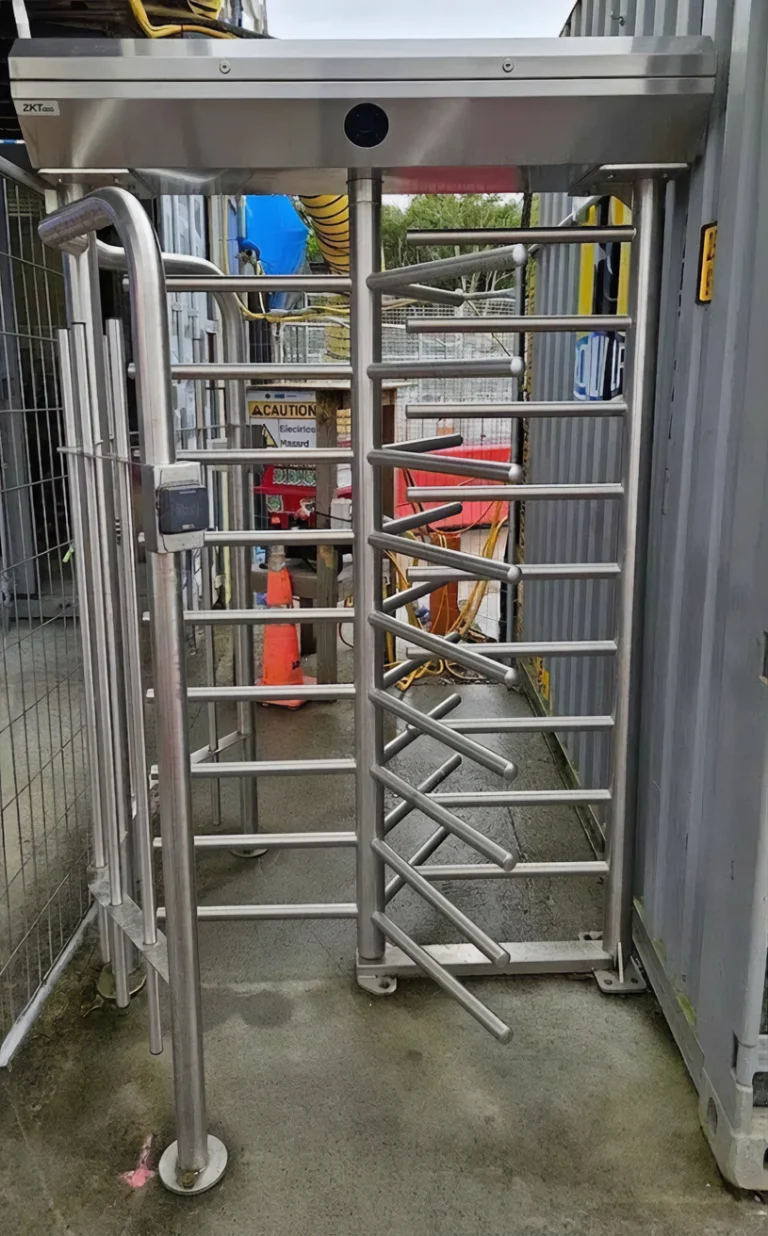
NZTeco supplied seven ZKTeco FHT2300 full-height turnstiles for Watercare’s Central Interceptor project in Auckland.
The project was delivered by Ghella Abergeldie JV. The turnstiles were used across project sites with a third-party access control system.
Read the Watercare projectStaff, members and visitors may need different credentials. Cards, QR, mobile and biometrics depend on the readers, controller and software you choose.
Explore access controlThink about shift changes, queues and people travelling both ways. Lane count, clear passage and the authentication method all affect the entrance.
Discuss your entranceExisting cards, gym membership software or a third-party controller may be reusable. Send the names or model numbers if known; we’ll check compatibility.
Construction site guidanceYou don’t need a parts list to get started. Tell us who to contact and where the site is. Add what you know — we’ll help with the rest.
For commercial sites, installers and resellers throughout New Zealand.
Prefer to talk? 09 3205 396Practical answers to common buying questions.
“Speed gate” describes a style of powered pedestrian entrance gate, rather than one separate mechanism. It overlaps with swing and flap products: ZKTeco calls SBTL8000 a swing-barrier speed gate. Compare the actual panel movement, sensors, clear lane width and emergency operation instead of choosing by the label alone.
Start with how many people arrive together and when: a shift change, class start or event interval matters more than the daily total. Tell us if people need to travel in both directions. Published throughput is model- and credential-specific; queues, user familiarity and bags also affect real pedestrian flow.
Possibly. Send the reader or controller model, card type and software name if you know them. RFID, QR, mobile and biometric options depend on the chosen reader, controller, firmware and software. A gate’s opening input alone does not establish full membership, visitor or reporting integration.
A physical barrier helps control entry; sensor-based detection can identify a second person or unauthorised passage on supported models. Detection and an alarm are not a guarantee of physical prevention. Full-height units also rely on the surrounding fence or barrier layout. Optical OP1000 lanes monitor passage without a physical gate.
Behaviour varies. Depending on the model and configuration, an arm may drop, a gate may unlock, or panels may open on an emergency signal. Unlocking is not necessarily powered opening. Confirm the exact power-failure state, fire-system interface and exit arrangements with the project’s installation and building-design team.
Include an accessible passage in the entrance plan from the start. A wider swing lane or separate pedestrian gate may be appropriate; a standard tripod or full-height lane usually needs a companion route. Confirm clear width, approaches, controls and emergency use for the whole installation. A quoted lane width alone does not establish compliance.
Your name, email and city or site location are enough to start. If you have them, add the entrance type, busy periods, whether it is indoors or exposed, and any existing access system. A photo or rough dimensions can help later. You do not need to choose every component before contacting NZTeco.
NZTeco supplies equipment and provides product and technical guidance. The installation, cabling, site works and commissioning scope should be agreed with the installer for your project. Tell us whether you already have an installer or would like help discussing the next steps.
We’re a Licensed Security Company!
NZTeco Limited is officially licensed under the Private Security Personnel Licensing Authority (PSPLA).
License Number: 24-121944
License Classes: Security Technician & Security Consultant
Expiry Date: 22-11-2029
What does this mean?
It confirms that we meet the legal standards to provide professional and secure services in New Zealand, ensuring your peace of mind and trust in our solutions.
Being licensed ensures compliance with industry regulations, ethical practices, and accountability in delivering Access Control, CCTV, and other security solutions.
For more about the PSPLA and why choosing a licensed provider matters, visit the official PSPLA information page: https://www.pspla.govt.nz/ (opens in a new tab).